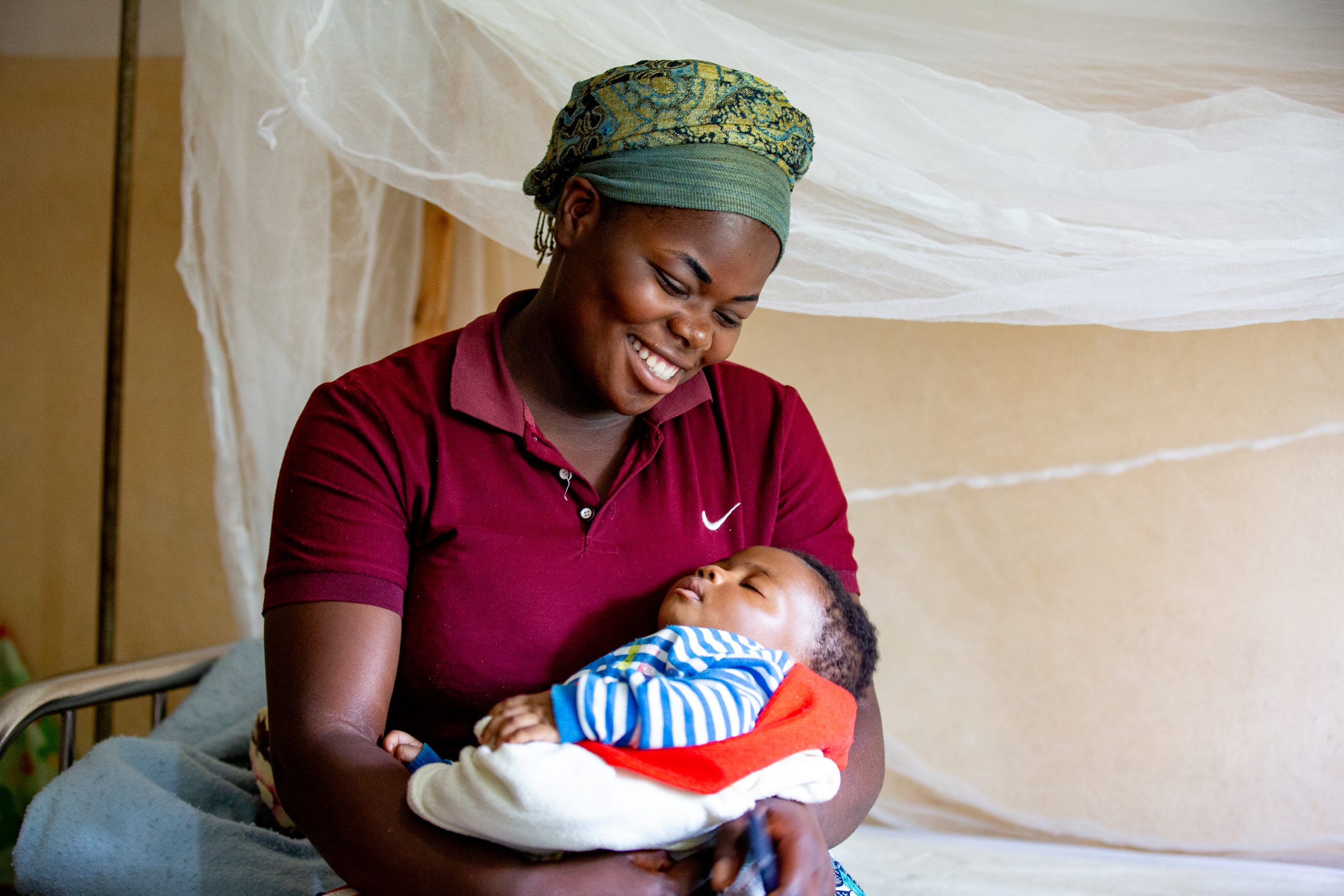
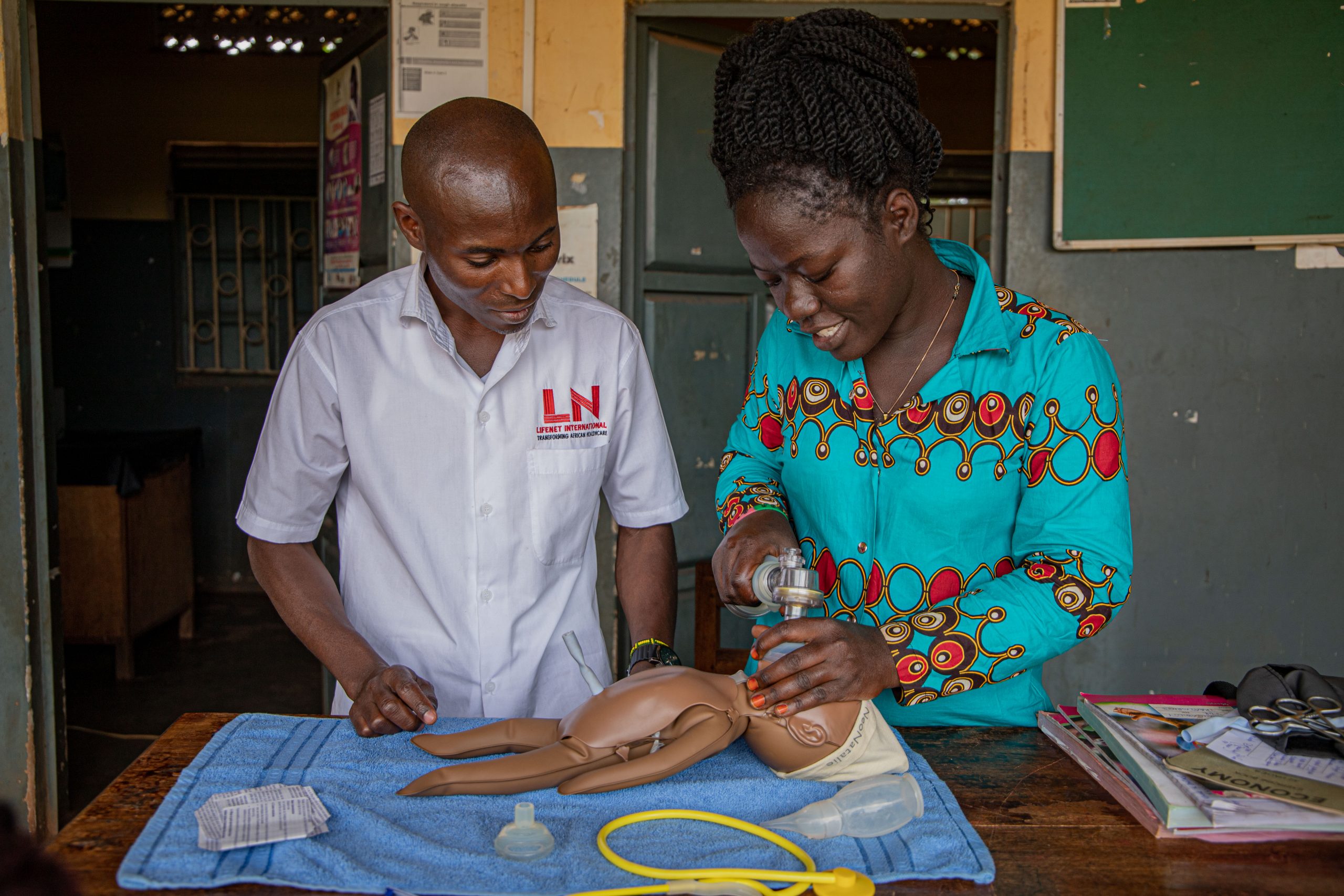
In 2024, LifeNet-trained healthcare providers saved 5,800 newborns and mothers by implementing proper infant CPR and postpartum hemorrhage treatments.
Across Africa, 40% of national health systems are faith-based facilities.
Organized into vast networks, they already reach millions of patients. Yet despite their reach, relevance, and the responsibility for underserved populations, they remain one of the most overlooked assets in African healthcare.
LifeNet elevates faith-based health networks across Africa so they can deliver high-quality, life-saving care for millions.
What We Do
We connect facilities, health leaders, and partners to a network of shared structure, standards, and support.
Relational Medical & Management Strengthening
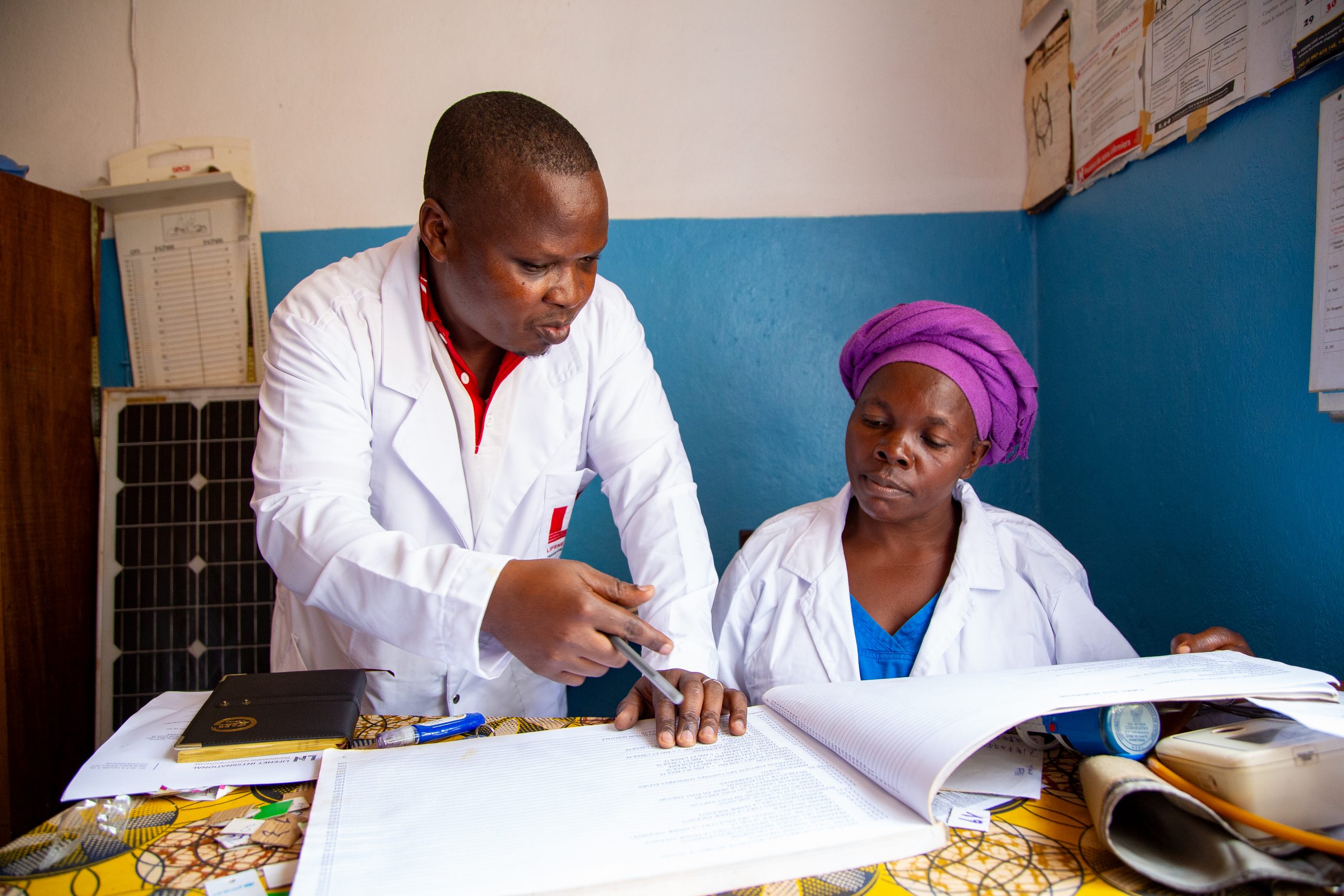
Hands-on training and mentoring across clinical care, data systems, supply chain, finance, and HR. We build capability and confidence, then coach until new habits take root.
Quality Certification
Certify facilities to global standards through annual assessments, competency testing, and supportive supervision — anchoring improvement and verifying fidelity to proven practices.
Implementation Ready Network Access
A coordinated platform of more than 500 facilities across seven countries that enables innovations to move more quickly from introduction to consistent, high-quality implementation — reducing adoption barriers and de-risking market entry for partners.
Rigor + Relationship
Lasting improvement requires both rigor and relationship. That’s why we pair evidence and disciplined practice with relational mentorship.
We believe change does not happen because someone taught once. It happens because someone returned, observed, measured, and coached until new habits took hold.
7
Countries
500+
Networked Facilities
13,000+
Health Workers
12M
Patient Visits Annually
<10 Mo
Maternal Health Innovation Scale
6,559
Lives Saved at Birth in 2025
About LifeNet
LifeNet is a cross-continent network built on partnership. We invest in health leaders rooted in their communities and committed to delivering care that lasts. Where others overlook or only accredit, LifeNet accompanies — building connections and ensuring high-quality, compassionate care that endures.
Where we’re going
We’re working towards a world where no one dies from preventable causes — and every person can flourish in health and dignity.
Our Impact
Success Story
From blocked access to national expansion
Heat-stable carbetocin, a WHO-recommended medicine for preventing postpartum hemorrhage, remained unavailable in Ghana because of implementation and market barriers. LifeNet worked alongside partners to de-risk implementation through provider readiness, mentorship, operational support, and sustainable supply pathways. Today Ghana Health Service has requested LifeNet support for nationwide expansion. 11,000+ doses introduced through LifeNet’s network.
Archived page follows:
The LifeNet model is low-cost, scalable and life-saving.
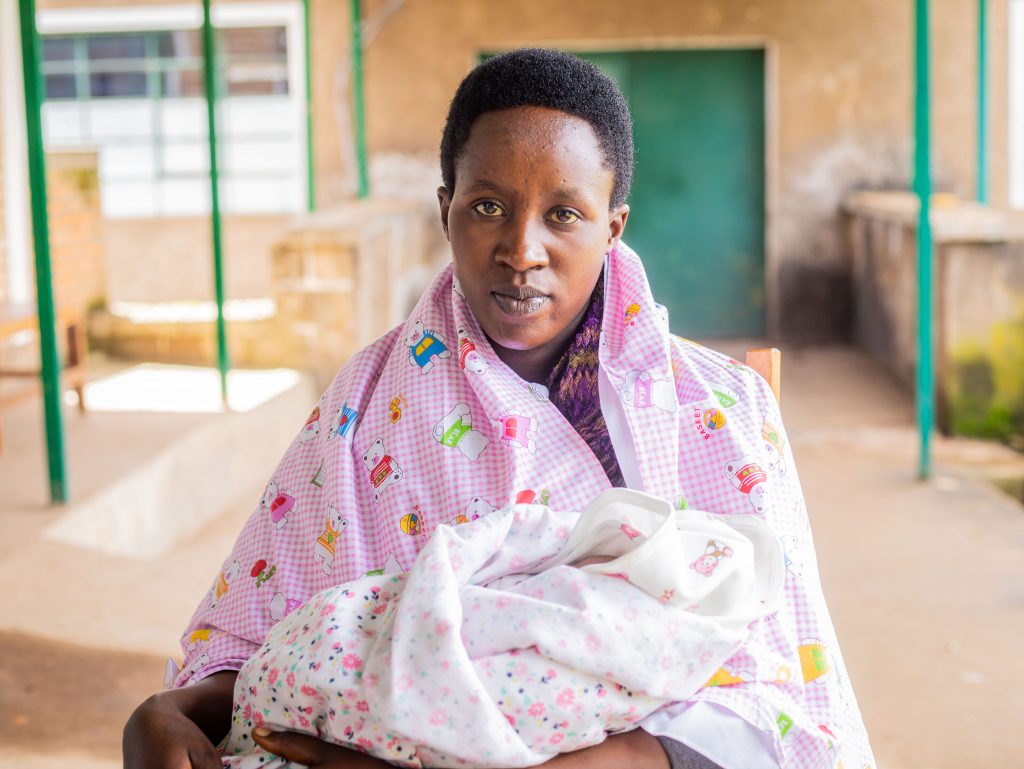
One woman, every two minutes, dies in childbirth each day in sub-Saharan Africa.
But it doesn’t have to be this way.
We believe the answer lies in the hands of skilled local healthcare providers who, when equipped with proper tools and resources, can prevent thousands of deaths each year. Our highly-scalable approach leverages assets already active in local community facilities, by building capacity and empowering them to provide high-quality, compassionate care through our model.
HIGH QUALITY HEALTHCARE, FOR LESS THAN A DOLLAR
40% of Africa’s healthcare services take place at faith-based facilities.
Yet they are often under-resourced and over-burdened.
LifeNet partners with 426 of these existing facilities to implement financial and management best practices, so they can become sustainable and provide quality healthcare for years to come. We ensure people in the communities we serve can flourish through a model that is both highly effective and remarkably low-cost — including training for clinical best practices, mentorship of healthcare providers and robust, ongoing monitoring and evaluation.
Average cost per patient visit: $0.49
At LifeNet, we witness how small investments with the right solutions lead to great ROI: high quality healthcare and many lives saved.
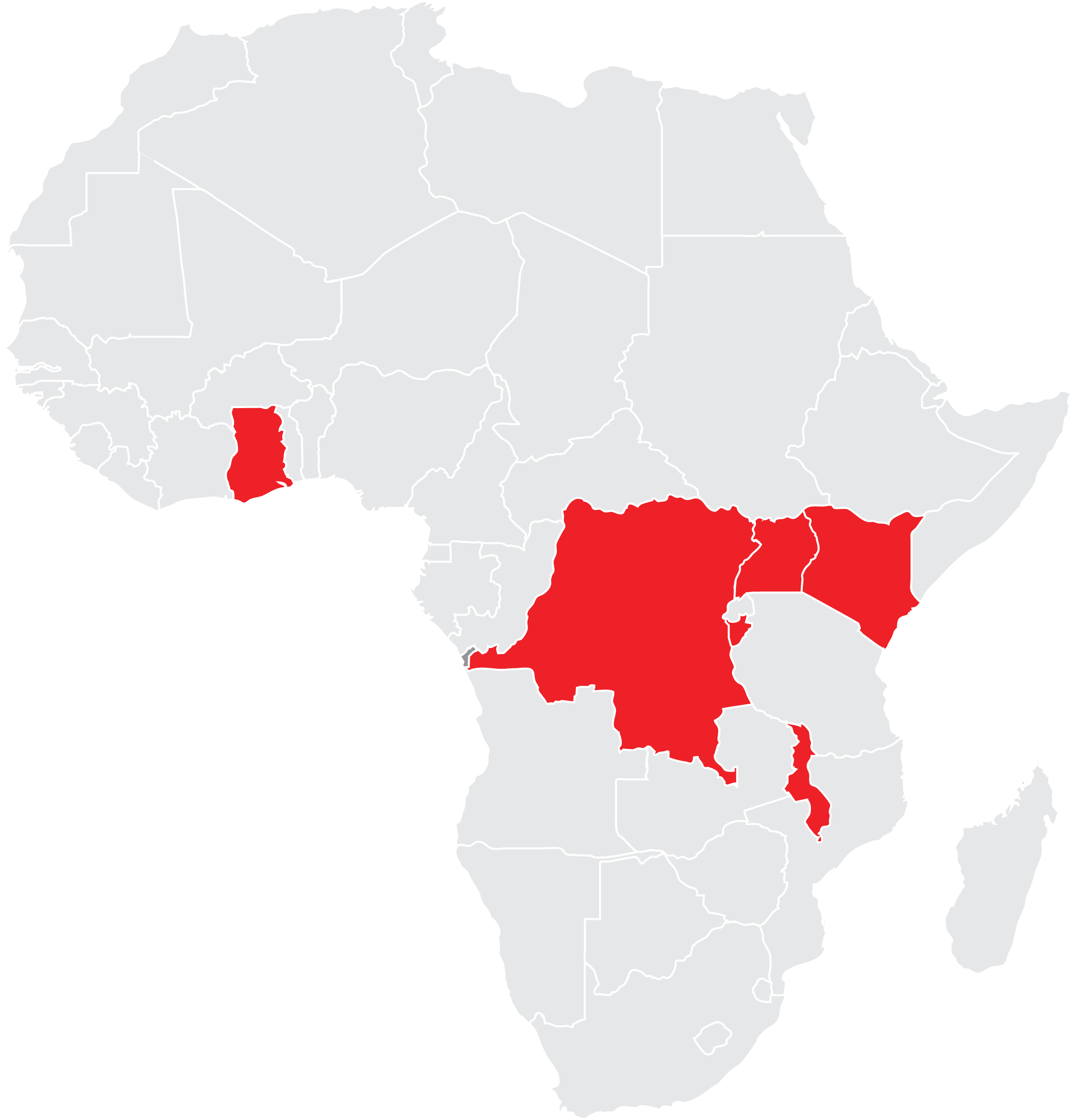
426
HEALTH FACILITIES
6
COUNTRIES
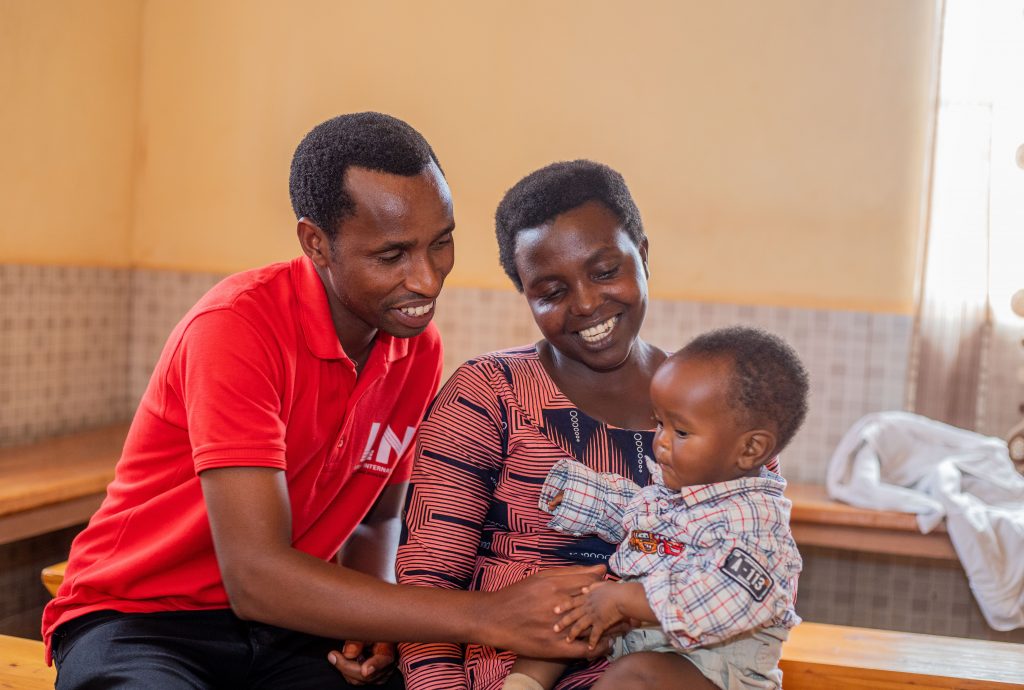
Duke Study Confirms: LifeNet Improves Healthcare for Moms & Babies
Duke Global Health Institute’s 15-month longitudinal study “provides evidence that the LifeNet clinical training intervention significantly improved maternal and neonatal healthcare quality.”
LEADING IMPACT INDICATORS
Focus: Hygiene
Goal: Reduce infection
Hand washing materials are available and clinic staff regularly wash their hands.
Focus: Infant Resuscitation
Goal: Reduce neonatal mortality
Healthcare providers have the knowledge and skills needed to perform proper infant resuscitation techniques, including CPR, to save newborns’ lives.
Focus: Financial documentation
Goal: Increase financial sustainability
Systems for tracking daily revenues and expenses are up to date.
Focus: Treating postpartum hemorrhage
Goal: Reduce maternal mortality
Healthcare providers have the knowledge and skills necessary to implement proper postpartum hemorrhage treatments to save mothers’ lives.
AWARDS AND RECOGNITIONS
We are humbled by the support we receive while we transform healthcare across Africa.
Hover over the images below to find out more about each accolade and membership.



CONNECT WITH US
GLOBAL SUPPORT OFFICE
1712 N St. NW
Suite 401
Washington, DC 20036
Mailing Address:
PO Box 21457
Washington, DC 20009
+1 301-323-8135
IN BURUNDI
26 Avenue Ngendandumwe
Bujumbura, Burundi
IN KENYA
Jumuia Place, Lenana Road
Nairobi, Kenya
IN UGANDA
Princess Anne Drive, Plot 56
Bugolobi Kampala Uganda
IN DRC
15 Avenue Nyawera
Nyalukemba Neighborhood, Ibanda Commune
Bukavu, Southern Kivu Province,
Democratic Republic of the Congo
IN MALAWI
Off Presidential Highway,
Plot Number 116, Area 14
Lilongwe, Malawi
IN BURKINA FASO
09 BP 1081, Ouaga 1200 Logements
10020 Ouagadougou, Burkina Faso
IN GHANA
5, Kobla Nelson AV, Okuja Rd
Abofu, Achimota
Accra, Ghana
EMAIL US: contact@lninternational.org
NEWSLETTER SIGNUP:
Subscribe for updates and latest developments.

SOCIAL INNOVATION IN HEALTH INITIATIVE
We were chosen as one of 25 high impact healthcare delivery solutions for the
2015 Social Innovation in Health Initiative, in partnership with the World Health Organization.